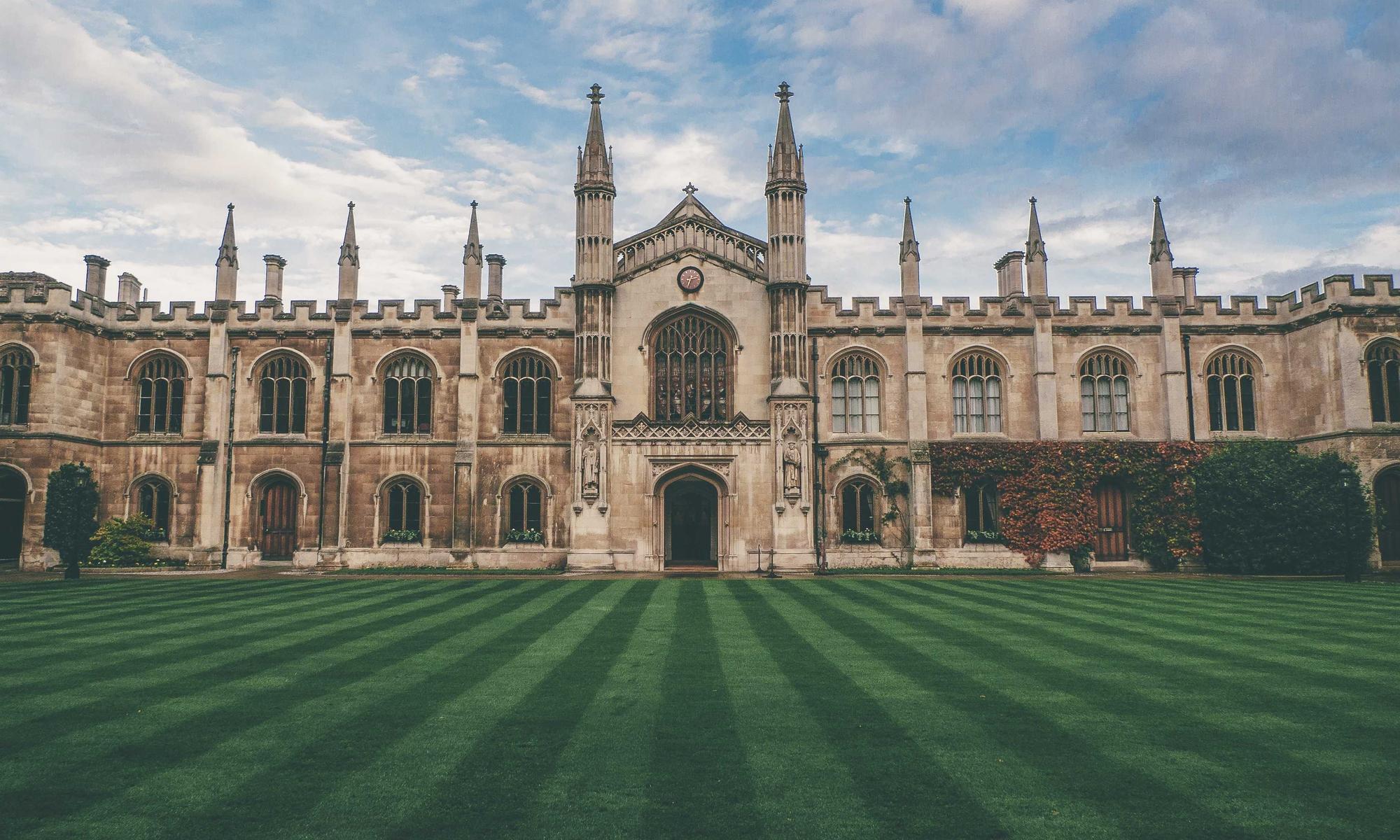
Theodosian Walls
A 6.5km chain of triple-fortified walls that protected Constantinople for 1,000 years — breached by Mehmed II in 1453.
About
The Theodosian Walls (Sur, "the walls") are the triple-line of stone fortification that defended Constantinople from the 5th century until the Ottoman conquest of 1453. Built originally under Emperor Theodosius II in 413-439 CE, the walls were rebuilt several times but the core layout remained: an outer wall (parapet), a moat, a middle wall, and an inner wall reaching 12 meters tall — defended by 96 towers. The land walls run from the Sea of Marmara to the Golden Horn, a continuous 6.5 km stretch on the western edge of the historic peninsula.
The walls were the single most successful defensive structure in the medieval world — they held against every siege from Attila the Hun to the Avars until Mehmed II breached them on 29 May 1453, partly thanks to his new enormous cannon and partly thanks to an Ottoman who showed the army a small postern gate that had been left unlocked. That gate is still pointed out today.
The walls are best visited at the Edirnekapı section, where the breach happened — there's a small museum (the Panorama 1453 History Museum) right by the wall section. Other good walking sections are the Yedikule (Seven Towers) fortress at the south end (built on the wall itself, with a small museum), and the short stretch near the Chora Church in the north.
Free to view from outside, daily. The Edirnekapı breach site and Yedikule are both well worth an hour.
Photo credits
- theodosian-walls-hero.jpg by Picsum (Picsum Photos, CC0 (Public Domain))